
Fixing Mixed Content Warnings After Forcing SSL/HTTPS
Forced HTTPS but the padlock is gone? Here's how to find and fix mixed content warnings in WordPress, from database URLs to CDN and proxy settings.
Learn how to restrict WordPress access by IP address in .htaccess or Nginx, lock down wp-admin and wp-login.php, and avoid locking yourself out.
How automated threat hunting in WordPress hosting environments finds attacks that scanners miss, plus the telemetry, metrics and host questions that matter in 2026.
Learn why XML-RPC should be disabled on your WordPress host, how attackers abuse xmlrpc.php, and the safest way to turn it off without breaking your site.
Preventing brute force attacks works best in layers. Compare server-side rules and WordPress-side plugins, and see which layer should block each login attempt.
Compare two-factor authentication (2FA) at the hosting level vs. plugin level for WordPress: what each protects, where each fails, and how to layer both in 2026.
How to choose a web application firewall (WAF) for WordPress in 2026: rule sets, false positives, rate limiting, logging and edge vs plugin protection.
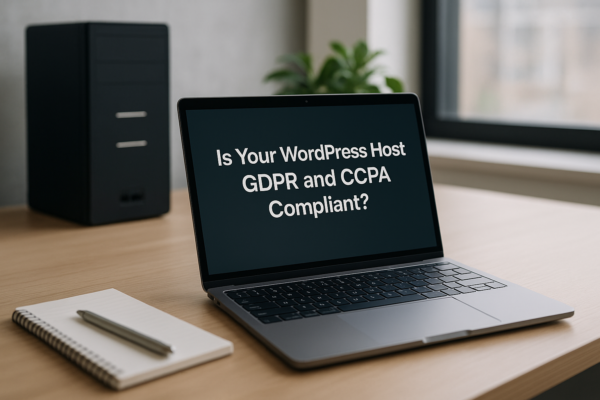
Learn how to verify your WordPress host is GDPR and CCPA compliant: DPAs, subprocessors, log retention, backups and data residency questions to ask in 2026.
How a WordPress malware infection unfolds stage by stage, and the server-level defenses hosts use to block it before your site gets hit.
Learn how to protect WordPress against DDoS attacks at the server level in 2026: rate limiting, firewall rules, XML-RPC lockdown and edge filtering.